Bay Leaf and Borrowed Sun: A Peach Liqueur for the Christmas Table

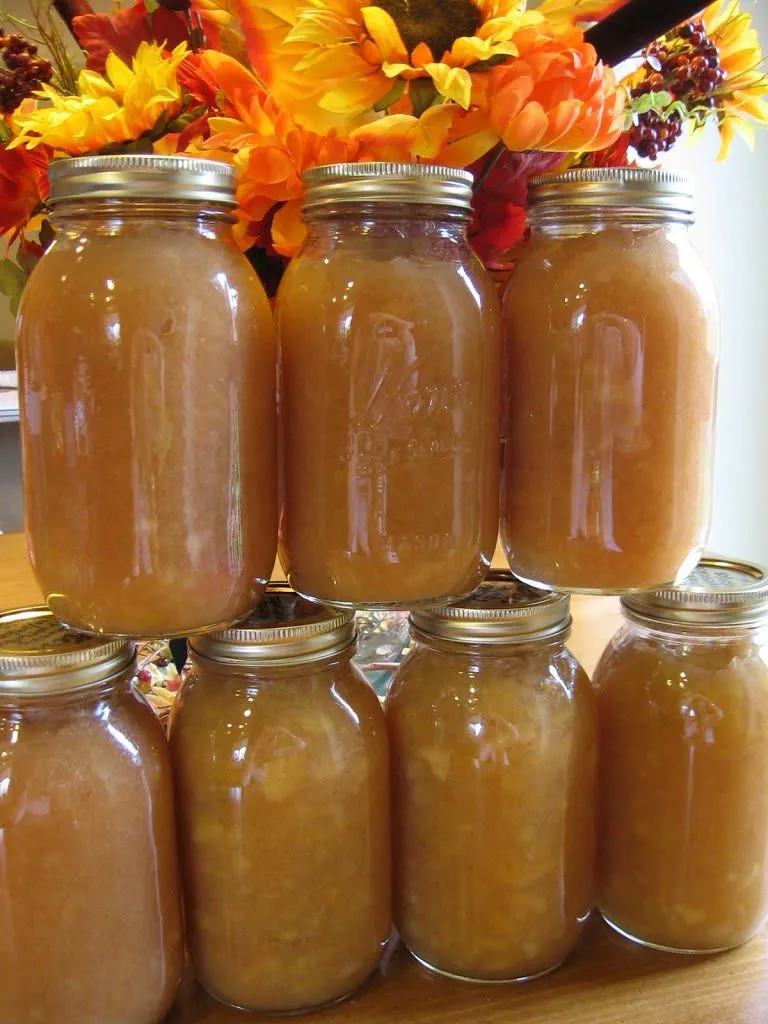
Photo: homemade peach liqueur in glass bottle with bay leaves and fresh peaches, festive styling, via i.pinimg.com
There is a particular kind of November optimism that comes from putting fruit into alcohol and leaving it alone. It is not quite preserving, not quite cooking, and not quite doing nothing. It sits somewhere in the middle, in a dark cupboard, quietly turning a punnet of softening peaches into something you can hand round at Christmas.
This is that sort of project. A peach and bay leaf liqueur, started now and ready for Christmas 2026. It takes about twenty minutes of actual work, a bottle of something clear, and a little patience. The result is bright, gently herbal and grown-up enough to feel like a proper festive drink rather than a glass of fruit juice with ideas above its station.
Why a liqueur, and why now
Late-season peaches can be a mixed bag. Some are still lovely; others are quietly giving up in the fruit bowl, going soft at the shoulder and sweet at the core. Those are the ones you want here. You do not need perfect fruit for an infusion. You want flavour, and soft peaches have plenty of it.
If fresh peaches are past their best — or simply not worth the money in mid-November — tinned peaches are a perfectly sensible shortcut. They are picked at their peak, packed in syrup and available everywhere in the UK. Drain them well and use the fruit; the syrup can go into a cake or a cocktail, or be saved for sweetening the liqueur later.
Bay leaves are the quiet hero. One or two leaves add a soft, savoury, almost tea-like note that stops the drink from being merely sweet. Do not overdo it. Bay is generous at first and then bossy. Two leaves in a 70cl bottle is about right, and you can always add more next time.
The ratio that works
A good starting point for a fruit liqueur is roughly 300g of prepared fruit to 500ml of clear spirit. For this peach and bay version, I use:
- 300g ripe peaches, stoned and roughly chopped — or drained tinned peaches
- 500ml vodka, ideally 37.5–40% ABV
- 2 fresh bay leaves, lightly bruised
- 100g caster sugar, plus 100ml water, for a simple syrup to sweeten later
That makes about 600–700ml of finished liqueur, depending on how much you sweeten it and how thoroughly you strain. It fits comfortably into a sterilised 70cl bottle with a little room to spare.
Use a clean, neutral spirit. Vodka is the simplest choice; white rum works if you want a slightly rounder, sweeter base. Avoid anything strongly flavoured unless you have a plan, as it will fight the peaches rather than support them.
What you need
- A large sterilised jar with a lid — a 1-litre Kilner jar is ideal
- A fine sieve and a square of muslin or a clean, unused dishcloth
- A sterilised bottle or two for storing and gifting
- A small pan for the sugar syrup
- A label and a pen, because this is the sort of thing people ask about
Sterilising does not need to be a drama. Wash the jar and bottles in hot soapy water, rinse well, then dry them in a low oven or let them air-dry upside down on a clean tea towel. If you are reusing old bottles, make sure the lids are clean and not rusty.
Method
- Stone and chop the peaches. There is no need to peel them. If you are using tinned peaches, drain them well and pat them dry a little so you are not adding unnecessary water to the infusion.
- Put the fruit into the sterilised jar. Bruise the bay leaves by pressing them with the back of a spoon or giving them a quick fold, then add them to the jar.
- Pour over the vodka, making sure the fruit is submerged. Seal the jar and give it a gentle swirl.
- Store it in a cool, dark cupboard for three to four weeks. Shake or swirl the jar every few days. This is not essential, but it helps the fruit and spirit get acquainted.
- Start tasting at the two-week mark. The liqueur should taste peachy and bright, with a soft bay note in the background. If it tastes flat or watery, give it another week. If the bay is already loud, fish the leaves out early.
How long to steep
For fresh peaches, three to four weeks is usually about right. Tinned peaches can be a little faster — two to three weeks is often enough — because the fruit is already soft and sweet. The exact timing depends on the fruit, the spirit and your own taste.
Do not leave it for months thinking it will get better. Peach flavour can turn dull and slightly jammy if it sits too long, and the bay can become dominant. Once the infusion tastes good to you, strain it. That is the moment to move on.
Sweeten and strain
Make a simple syrup by warming 100g caster sugar with 100ml water in a small pan until the sugar dissolves. Let it cool completely.
Line a sieve with muslin or a clean cloth and set it over a jug. Pour the infused spirit through, letting it drip slowly. Do not squeeze the fruit — it makes the liqueur cloudy and can add a slightly bitter, stewed note. If you want a clearer result, strain it a second time through a fresh piece of muslin.
Now sweeten to taste. Add the cooled syrup a little at a time, stirring and tasting as you go. Start with 50ml and work upwards. Remember that the liqueur will taste slightly less sweet once it has chilled, so aim for a touch sweeter than you think you want. I usually end up using around 100ml of syrup for this quantity, but it is entirely a matter of preference.
Pour the finished liqueur into sterilised bottles, seal, and label. It will keep in a cool, dark place for around six months. Once opened, store it in the fridge and drink within a couple of months.
Serving and gifting
This is a good drink for the awkward bit of Christmas Day between present-opening and lunch, when people want something festive but not necessarily another cup of tea. Serve it well chilled, neat in small glasses, or over a single large ice cube. It also works nicely with tonic or soda for a longer, lower-strength drink, and a splash in a glass of sparkling wine makes a very easy peach bellini-ish aperitif.
In the kitchen, it is useful as well as drinkable. Drizzle a little over vanilla ice cream, use it to soak sponge for a trifle, or add a spoonful to the pan when roasting peaches or plums.
For gifting, decant into small bottles and add a handwritten label with the date and a rough best-before. A bottle of something homemade, made with fruit that would otherwise have gone soft, is a genuinely nice thing to hand over in December. It says you thought about it in November, which is its own kind of festive sentiment.
A note on tinned peaches
If you are using tinned peaches, choose fruit in juice or light syrup rather than a heavy dessert syrup. Drain it well, and taste the finished liqueur before sweetening — the fruit may already bring more sugar than fresh peaches would. You may need less syrup than you expect.
Either way, the principle is the same: good fruit, clean spirit, a little bay, and time. Start it now, put it in the cupboard, and forget about it until December. It is the sort of Christmas preparation that feels less like admin and more like a small act of optimism.