Before the Ham Arrives: A November Chutney of Peaches, Bay and Cider
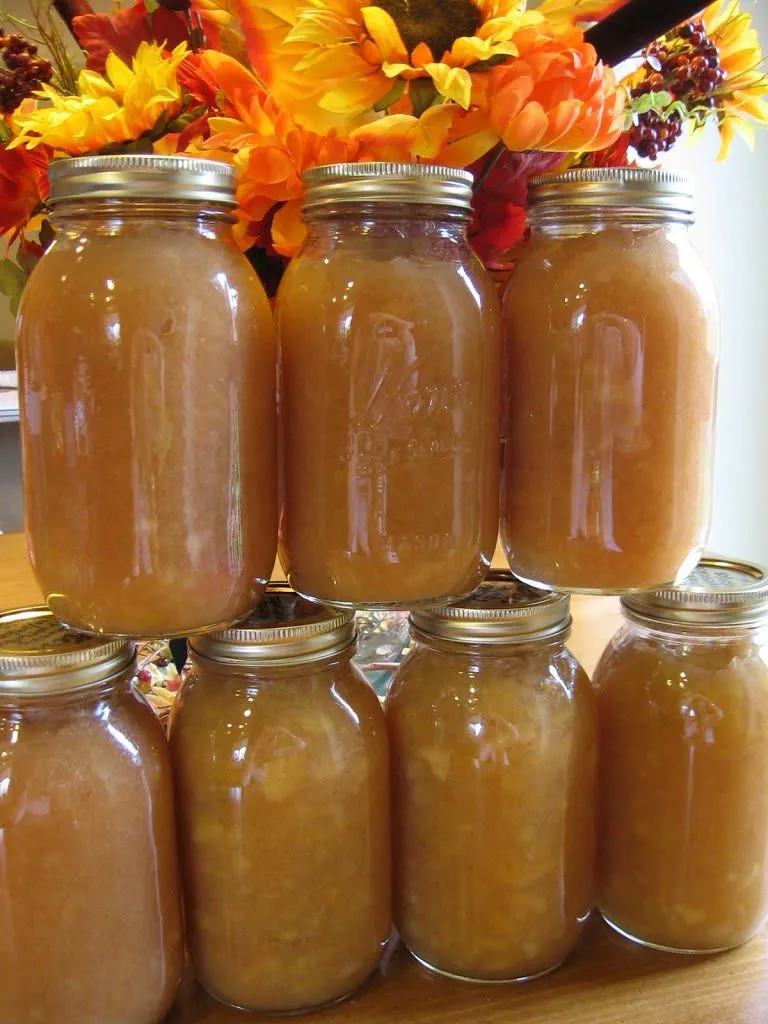
Photo: homemade peach chutney in glass jars with bay leaves and mustard seed, UK kitchen, Christmas ham, via i.pinimg.com
November is the month when the kitchen starts thinking ahead. The last British peaches have gone soft at the edges, the freezer has a bag or two of frozen halves buried under the peas, and there is a tin of peaches in the cupboard that seemed like a good idea in September. This is exactly the moment for chutney.
Not a last-minute relish, not a sweet jam pretending to be savoury, but a proper jarred chutney: sharp with cider vinegar, warm with mustard seed, and made quietly savoury by bay leaves. It sits somewhere between stone-fruit season and the festive table, which is precisely where a good November preserve belongs.
Why this chutney earns its jar
A Christmas ham is generous but rich, and it wants something bright and vinegary alongside. Peach chutney does that job without turning into another sticky condiment. The fruit gives body and a gentle sweetness; the bay leaves keep it from becoming a pudding; the mustard seed adds a little pop. It is also very good with cold cuts, a wedge of Cheddar, a slice of pork pie, or the sort of cheese board that appears at 4pm on Boxing Day when nobody can face another meal.
This is not a delicate preserve. It is a useful one. That is the point.
Which peaches to use, and how to prep them
You can make this with almost any peach that has flavour. Late-season fruit that is too soft for eating raw is ideal. Frozen peaches work beautifully — thaw them in a bowl and keep the juices, because they carry flavour. Tinned peaches are also fine, but drain them well and consider reducing the sugar by a quarter, since they arrive already sweetened.
You want about 1kg of prepared fruit. Halve and stone the peaches, then chop them roughly. There is no need to peel them. The skins break down in the pan and add a little colour and texture. If you are using frozen fruit, chop it while it is still half-frozen if that is easier, then let it thaw completely before cooking.
The balance: sweet, sharp and savoury
Chutney lives or dies on balance. Too little vinegar and it tastes flat and cloying; too much and it turns into a pickle. This recipe uses cider vinegar because it is softer than malt vinegar and has a gentle orchard flavour that suits peaches. Light brown sugar brings depth without molasses heaviness. Mustard seeds, fresh ginger and a little dried chilli do the savoury work, while bay leaves add a herbal note that makes the whole thing taste unmistakably like something for the winter table.
Do not be tempted to reduce the vinegar dramatically to speed things up. It is there for flavour and for keeping quality. If the chutney looks loose, keep simmering; if it looks too thick before the fruit has softened, add a splash of water, not more sugar.
Peach, bay and cider chutney
Makes about 4 x 250ml jars.
Ingredients
- 1kg prepared peaches, roughly chopped
- 1 large onion, finely chopped
- 2 garlic cloves, finely chopped
- 30g fresh ginger, peeled and grated
- 400ml cider vinegar
- 250g light brown sugar
- 1 tbsp yellow mustard seeds
- 3–4 fresh bay leaves, or 2 dried
- 1 tsp fine sea salt
- 1 small dried red chilli, crumbled, or a pinch of chilli flakes
Method
- Put a small pan over a medium heat and toast the mustard seeds for a minute or two, until they begin to pop. Tip them into a bowl.
- In a wide, heavy pan, soften the onion in a little oil over a low heat for about 8 minutes. Add the garlic and ginger and cook for another 2 minutes.
- Add the peaches, vinegar, sugar, toasted mustard seeds, bay leaves, salt and chilli. Stir well.
- Bring to a gentle simmer, then cook uncovered for 45–60 minutes, stirring every so often. The chutney is ready when the fruit has collapsed, the liquid has reduced to a glossy syrup, and a spoon dragged through the pan leaves a clear trail for a moment.
- Taste carefully. It should be sweet, sharp and slightly savoury. If it is too sweet, add a splash more cider vinegar. If it is too sharp, add a little more sugar. Remember it will mellow in the jar.
- Fish out the bay leaves if you like, or leave them in for looks. Ladle into sterilised jars while hot.
Sterilising and sealing without drama
Wash your jars in hot soapy water, rinse well, and either run them through a hot dishwasher cycle or stand them upside down in an oven at 120°C for 15 minutes. Lids need washing too, but check they are not corroded. Fill the jars while both jars and chutney are hot, leaving about 1cm of headspace. Seal firmly, then leave to cool undisturbed.
Once cool, check the seals: the lid should be slightly concave and should not click when pressed. Label each jar with the name and the date. This chutney is best after four weeks in a cool, dark cupboard, which means a batch made in mid-November will be ready in good time for Christmas 2026. Unopened, it will keep for up to a year. Once opened, keep it in the fridge and use it within a month.
The Christmas ham test
Serve it straight from the jar with sliced ham, cold roast pork, or a plate of cheese and pickles. It is also very good stirred into a ham glaze at the last minute, or spooned alongside a baked Camembert. For gifts, tie a strip of ribbon around the neck of the jar and write the date on the label. There is something quietly pleasing about handing someone a jar in December that was made in November, when the peaches were still around and the ham was still a thought.
That is the whole point of a store-cupboard preserve: it borrows a little of one season for another. And in a UK kitchen between stone-fruit season and Christmas, a jar of peach and bay chutney is as useful as it is generous.