Peel Appeal: A Zero-Waste Syrup for the November Kitchen
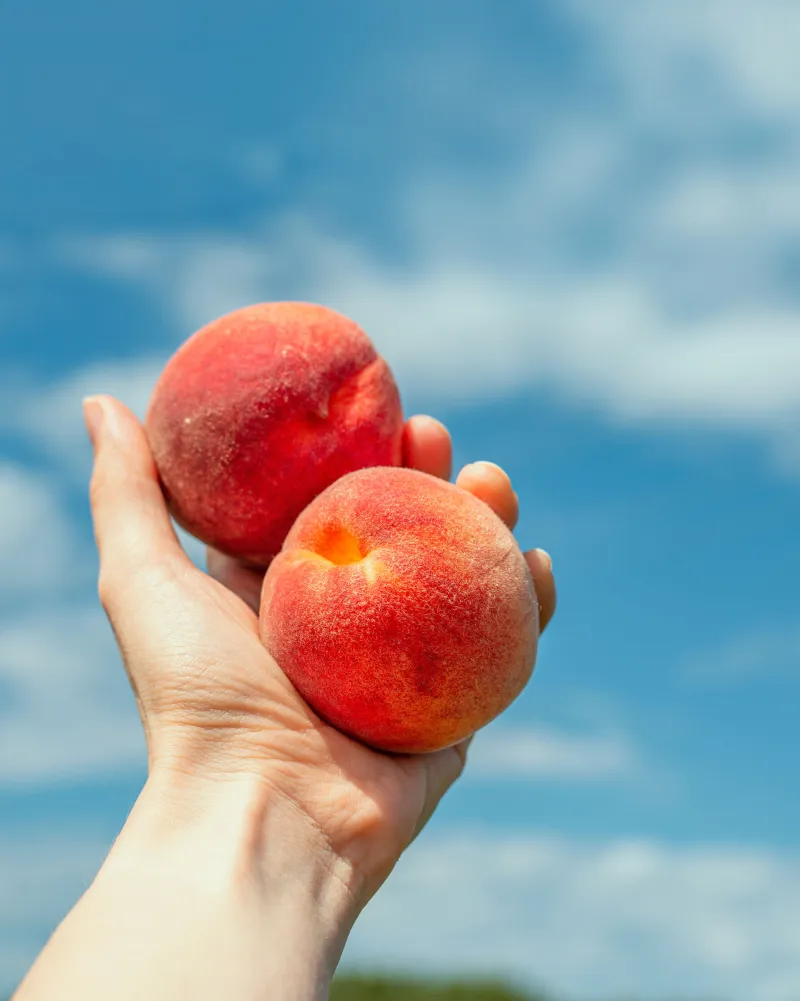
By November, the peach season feels like a distant rumour. The fruit bowl is more likely to hold apples and clementines, and the summer peaches are either in the freezer or remembered through a tin. But if you're peeling peaches for a crumble, defrosting frozen halves, or even opening a tin for a weekend breakfast, there's a second crop hiding in the skins.
This is not another jam recipe. It's a syrup: quicker, looser, and far more useful on a dark Tuesday. You simmer the skins with sugar and water, add a little acid, and end up with something bright enough to spoon over yogurt, stir into a drink, or brush over a roasting tin of squash. It takes about twenty minutes and makes the kitchen smell like a summer that hasn't quite left.
Start a skin bag in the freezer
The best way to make this a habit is not to decide on syrup-making day. It's to keep a small bag in the freezer and add to it as you go. Peel peaches or nectarines for a crumble, a salad, or a batch of porridge toppers, and drop the skins into the bag. Frozen skins will clump, which is fine. They'll separate as they hit the pan.
Aim to use them within a few months. You don't need a precise weight, though 200g of skins is a good, forgiving baseline—roughly what you'd get from six to eight ripe peaches. If you have fewer, scale down. If you have more, make a bigger batch and freeze the syrup in small bottles.
The quick stovetop method
Put 200g peach or nectarine skins in a small saucepan with 200g caster sugar and 200ml water. Add a small pinch of salt. Bring it to a gentle simmer, then turn the heat down and let it bubble softly for 15 to 20 minutes, until the skins look pale and the liquid has taken on their colour. Press the skins against the side of the pan with a spoon now and then to help them give up everything they've got.
Strain through a fine sieve, pressing lightly on the solids. Don't squeeze hard or you'll push through a slightly bitter, cloudy edge. Taste the syrup once it has cooled a little. This is the important bit: balance it now, not later.
You want it bright, not just sweet. Add lemon juice a teaspoon at a time—start with one, taste, then decide. If it tastes flat, it needs acid. If it tastes sharp but thin, simmer it for another few minutes. If it's too thick once cold, loosen it with a splash of water. For a soft almond note, add a tiny drop of almond extract—really a drop, stirred in off the heat. It should be a suggestion, not a Bakewell tart.
Pour into a clean bottle or jar and keep it in the fridge. It will last around two weeks, though in practice it rarely does. You can also freeze it in ice-cube trays and drop a cube into a glass whenever you need it.
If you're starting from frozen fruit or a tin
Frozen peach skins work exactly the same way. Add five minutes to the simmer and don't worry if the syrup looks a little more diffuse; frozen fruit gives up its colour more readily but can be softer and messier.
A tin is a useful shortcut, though most tinned peaches in the UK are already peeled. If you have a tin of peaches in juice or syrup, you can use the liquid as part of your water—say 150ml of the tin liquid plus 50ml water—and simmer it with a strip of orange peel and that drop of almond extract. It won't have the skin's colour, but it will have the same generous, winter-brightening spirit. If you happen to have a few frozen skins, add them too. The tin is not a compromise; it's just a different route to the same useful bottle.
Five ways to use it
1. A better yogurt bowl. Spoon a tablespoon or two over thick Greek yogurt, add toasted oats and a pinch of flaky salt. The salt matters. It keeps the syrup from tipping into dessert-only territory.
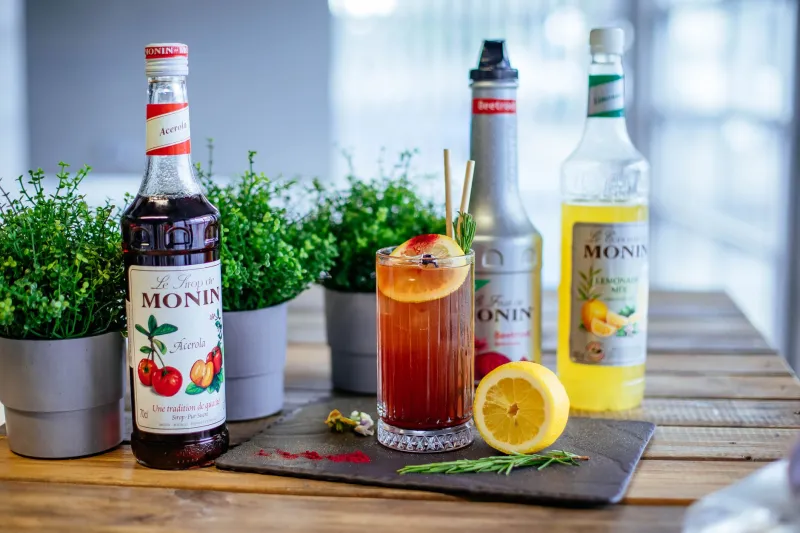
2. A fizzy peach soda. Two tablespoons of syrup, a squeeze of lemon, plenty of ice and sparkling water. Add a sprig of rosemary if you have it. This is the November equivalent of a summer spritz, and it costs almost nothing.
3. A peach gin fizz. For something stronger, shake 25ml gin, 15ml lemon juice and 20ml peach syrup with ice, strain into a glass and top with soda. A slice of lemon or a rosemary sprig is enough. It's a useful thing to have in the fridge when friends turn up in the strange gap between Bonfire Night and Christmas.
4. A porridge and pancake drizzle. Swirl it into porridge at the end of cooking, or warm it slightly and pour over pancakes. It's also good on French toast, especially with a little orange zest grated over the top.
5. A savoury glaze. Brush it over roast carrots, squash or chicken thighs in the last ten minutes of cooking. The sugar will catch and gloss, so keep an eye on it. A little goes a long way, and it makes a plain traybake feel considered.
The small habit bit
The point isn't to turn every peel into a project. It's to notice that the skins have another job before they go in the bin. A bag in the freezer, a small pan on the hob, a bottle in the fridge door: that's the whole system. No sterilising marathon, no jam thermometer, no shelf of jars you'll still be eating in 2028.
By the time the frost proper arrives, you'll have a bottle of something gold and useful. It won't taste exactly like July. It will taste like you paid attention—and in November, that's worth a lot.