Counter Intelligence: Why Your Peaches Should Never Meet the Fridge
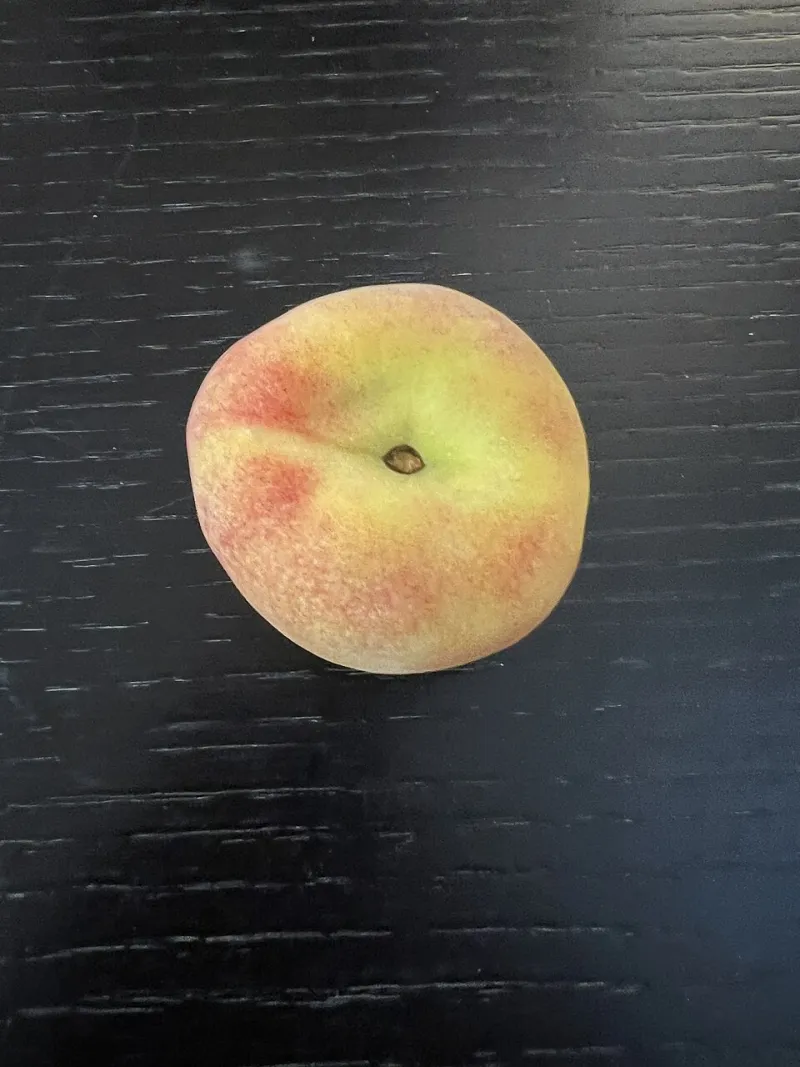
Photo: HaJunkiyada, CC BY-SA 4.0, via Wikimedia Commons
There is a specific disappointment that comes from biting into a peach you have been thinking about all afternoon and finding it grainy, cold and slightly woolly, like a peach described to you secondhand. Nine times out of ten the fridge is responsible. Not the grower, not the weather, not the fact that it travelled further than you did. The fridge.
We are a nation of chronic chillers. We buy fruit, we put it away, we feel virtuous. But a peach is not a yoghurt. It is a living thing with a ripening schedule of its own, and the coldest part of your kitchen is where that schedule goes to die.
What the cold actually does
Peaches, nectarines and plums are what growers call climacteric: they keep ripening after picking, breathing out ethylene and quietly converting starch, softening their cell walls and building the aromatic compounds that make a peach smell like a peach.
Drop the temperature below roughly 7°C and that machinery stalls. The cell walls start to break down unevenly, which is where that gritty, woolly, mealy texture comes from. The enzymes responsible for the warm, floral, slightly boozy aroma simply stop working. A domestic fridge sits at around 4°C, sometimes colder in the door or at the back, so a few days in there is enough to do lasting damage.
Peaches and nectarines are the most sensitive of the family. Apricots sit somewhere in the middle. Plums are tougher, but "tougher" is not "immune" — leave them in the drawer for a fortnight and you will taste the difference.
An uncomfortable truth about supermarket fruit
Here is the bit nobody wants to hear: a peach does not get sweeter on your windowsill. Sugar content is fixed at harvest. What happens at room temperature is softening, the loss of chalkiness and the development of aroma.
Which means the single most useful thing you can do happens in the shop, not the kitchen. Smell the fruit. A ripe peach smells sweet and faintly floral from a respectful distance. If a punnet smells of absolutely nothing, no amount of patience will rescue it. Buy the ones that already smell of something, even if they feel firm.
Small rituals that pay off
- Nose first, thumb second. Press gently near the stem, where the fruit softens first. A slight give means it is ready. Rock-hard means wait.
- Single layer, stem-side down. Piled fruit bruises under its own weight, and bruised patches go brown before the rest has caught up.
- Room temperature, out of direct sun. A warm kitchen speeds things along; a cold north-facing windowsill slows them down.
- A paper bag if you are in a hurry. It traps the ethylene the fruit gives off and nudges things along. Check daily — this trick works fast and overshoots easily.
- One to three days is typical. Less in a heatwave, more in a chilly flat in November.
The counter-then-fridge rule
For nectarines and plums, the sequence is simple. Ripen them on the counter until they give slightly, then — only then — move them to the salad drawer if you cannot eat them in time. They will hold for three or four days. Bring them out half an hour before eating so the aroma compounds have a chance to wake up.
Peaches are best never refrigerated at all, but life is not always accommodating. If you must, apply the same rule: ripe first, cold second, eaten within a couple of days.
The one thing never to do is refrigerate a hard peach in the hope that it will ripen there. It will not. It will sit, stall, and turn mealy, and you will blame the fruit.
If you have already chilled them half to death
Mealiness is a texture problem, not a safety problem, which means damaged fruit is still perfectly good cooked. Halve them, toss with a spoonful of sugar and a squeeze of lemon, and roast at 200°C for fifteen to twenty minutes until the edges catch. The cell structure collapses in a way that suits you rather than fighting you. The same fruit that was depressing raw becomes excellent over porridge, folded into a crumble, or cooked down into a compote with a strip of orange peel.
A word about November
By this point in the year, the British season is a memory and most of what you buy has travelled. Expect less. Buy smaller quantities, more often, and use them within a few days of ripening. Late-season and imported fruit is more likely to have been picked firmer and shipped colder, so the counter is doing more work than it did in August. If the fruit never quite comes round, roast it. November is a roasting month anyway.
The short version
Buy by smell. Ripen on the counter, in a single layer, for a day or three. Eat. If you cannot eat it in time, ripen first, then chill, then bring it back to room temperature before serving. Never chill a hard peach. And if you get it wrong, preheat the oven to 200°C and nobody needs to know.