Stone Fruit, Stashed: How to Freeze Peaches, Plums and Apricots Properly

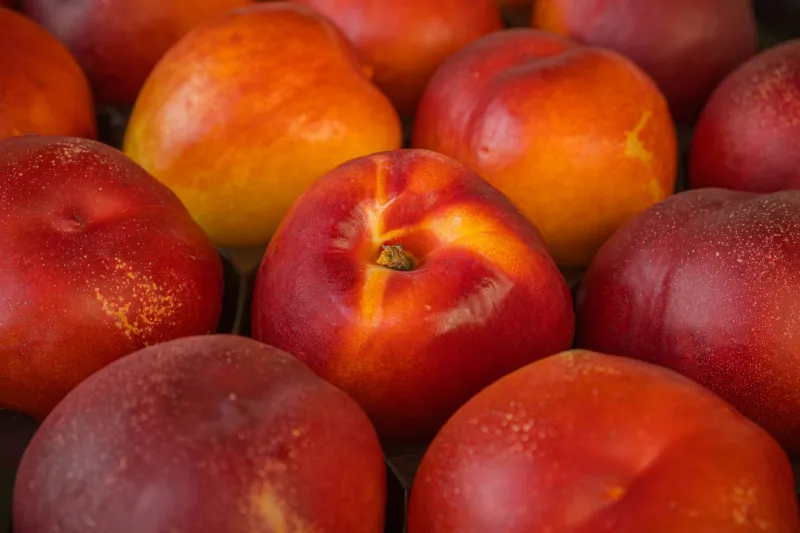
Photo: frozen peach slices in labelled freezer bags, via static1.moviewebimages.com
By November, the last British peaches are a memory and the good plums are getting harder to find. This is the moment when a freezer earns its keep. Freezing stone fruit is not about pretending it is fresh in January; it is about capturing fruit at its peak so you can cook with it later. The texture will change. The flavour, if you work quickly and pack well, will not.
At Clingstone we are biased towards fruit that holds on. But even the most stubborn clingstone peach will soften in the freezer. That is fine. Frozen peaches, nectarines, plums and apricots are for crumbles, compotes, smoothies and slow-cooked savoury dishes, not for a salad that demands crisp, raw fruit. Set your expectations accordingly and the freezer becomes a very good friend.
Start with fruit worth freezing
Freezing does not improve mediocre fruit. Choose ripe fruit with good flavour, but avoid anything bruised, mouldy or already fermenting. For slices and halves, firm-ripe is easiest to handle. For purée or compote, very ripe fruit is ideal.
In the UK, homegrown peaches and nectarines have a short season from late July into September, depending on the year and the grower. Plums run later. Imported fruit from Spain and Italy fills the gaps, and it freezes just as well. Freeze the fruit on the day you buy it or pick it if you can. If you are dealing with a glut from a pick-your-own or a market box, work in small batches and keep the fruit cool until you are ready.
Prep: peel, stone, slice
Peaches and nectarines can be frozen with their skins on, but the skins loosen in the freezer and can turn tough. For compotes and smoothies, leave them on if you like. For neat slices, blanch first. Cut a small cross in the base of each fruit, lower it into boiling water for 30 seconds, then transfer to iced water. The skin should slip off easily. This is a peeling step, not a food-safety step.
Halve the fruit along its seam, twist and remove the stone. Clingstone peaches will fight you a little; slice around the pit with a small knife rather than hacking at it. Plums and apricots are usually easier: halve, twist and stone. Cut larger fruit into slices about 1 to 2cm thick. Toss with a little lemon juice if you are worried about browning, though it is mostly a cosmetic issue.
Dry pack or syrup pack?
There are two useful methods. Dry pack is best for fruit you plan to cook: spread the slices on a baking tray lined with parchment, freeze until solid, then tip into bags. The pieces stay separate, so you can take out a handful for a crumble. Syrup pack is better for peaches you want to eat with yogurt or porridge. Make a light syrup with one part sugar to four parts water, cool it, and cover the fruit in a container, leaving a little headspace for expansion. The syrup protects texture and adds a gentle sweetness.
You can also freeze fruit in its own juice or in a light sugar toss. For most UK home cooks, dry pack is the practical default. Syrup pack is worth the extra step if you particularly want whole or halved peaches later.
Freeze flat, label well
Spread dry-packed slices on a tray in a single layer and freeze for two to three hours, then transfer to freezer bags. Press out as much air as possible. For syrup packs, use rigid containers and leave 1 to 2cm of headspace. Label everything with the fruit, the pack style, the date and the quantity. A bag marked 'plums, halved, dry pack, 10/2026' will save you from guessing in February.
Keep the freezer at -18C or colder. Use frozen stone fruit within 8 to 12 months for best quality. Do not refreeze fruit that has thawed.
Defrosting without turning it to mush
If the fruit is going into a crumble, compote or smoothie, use it from frozen. There is no need to thaw first. For a fruit salad or a dish where you want whole pieces, thaw overnight in the fridge and use within 24 hours. Expect the fruit to be softer and juicier than fresh. If a recipe asks for drained fruit, thaw it in a sieve over a bowl and keep the juice for porridge or a dressing. Never thaw stone fruit on the counter for hours; keep it cold.
Five reliable uses
Crumble. Tip frozen slices straight into a baking dish, toss with a little sugar and cornflour, top and bake. Give it 10 to 15 minutes longer than you would with fresh fruit.
Compote. Simmer frozen fruit with a splash of water, sugar to taste and a strip of lemon zest until soft. Spoon over yogurt or porridge.
Smoothies. Frozen peach or nectarine slices blend into a thick smoothie without ice. Add yogurt, milk or a little orange juice.
Roast pork or chicken traybake. Add frozen plum halves to the tin for the last 20 minutes of roasting, so they soften into the juices without disappearing.
Tagine or curry. Stir frozen apricots or peaches into a savoury braise near the end of cooking. They will soften and lend acidity to the sauce.
A final note on expectations
A freezer full of summer is a nice idea, but it is not magic. Frozen fruit will be softer, and very watery fruit will release more juice when cooked. That is why frozen stone fruit is at its best in dishes that welcome softness: crumbles, compotes, smoothies and slow braises. Pack it well, label it clearly, and you will have a useful stash of British summer when the weather has other ideas.