Dinner, Not Dessert: A Case for Peaches with Salt and Smoke
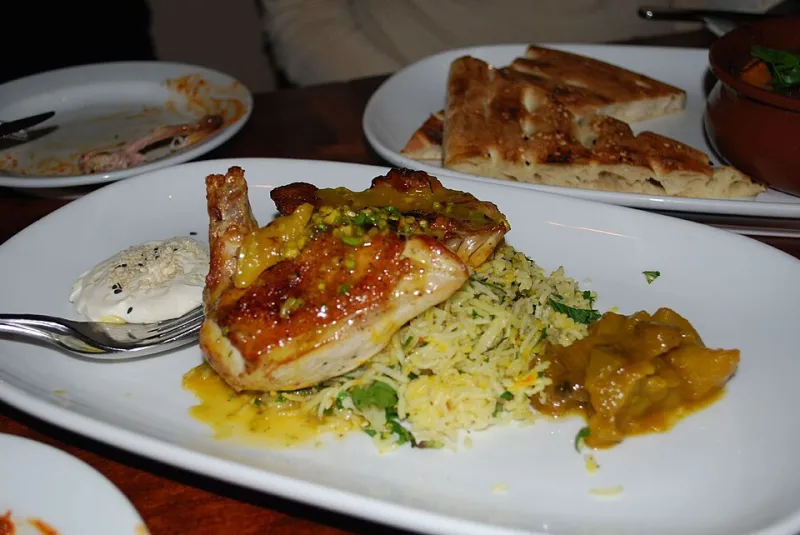
Photo: Alpha from Melbourne, Australia, CC BY-SA 2.0, via Wikimedia Commons
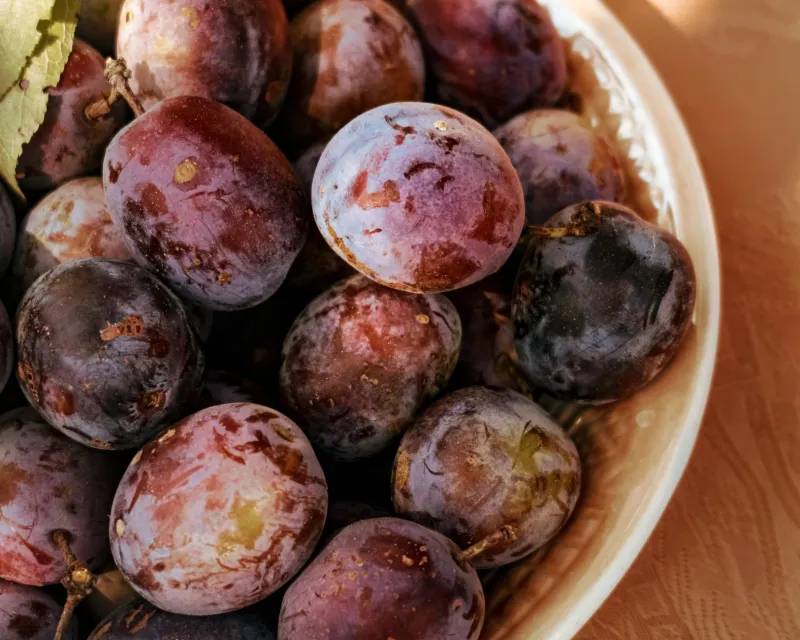
Peaches have a reputation problem in Britain. We see them in a bowl, next to the cream, and assume that is their natural habitat. It is not. A ripe peach has acidity, perfume and a texture that can carry salt and heat just as well as sugar. The same is true of nectarines, plums and apricots. Treating stone fruit as pudding-only is like keeping a good cookbook on the shelf because the cover is pretty: you miss the point of the thing.
This is not a plea for novelty. It is a plea for better dinner. Stone fruit is at its best in the short British season, and the fruit that arrives from Spain and Italy in the gaps is often good enough to cook with. The trick is to stop thinking of sweetness as a problem and start thinking of it as an ingredient. A peach that tastes flat needs lemon. A dish that tastes cloying needs salt. A plate that tastes dull needs chilli, smoke or something sharp. Once you have those dials, savoury stone fruit stops being a stunt.
The case for a savoury peach
Clingstone is the name for fruit whose flesh holds tight to the pit. It is also a decent way to think about stone fruit cooking: the fruit should not let go of the dish. In a salad, peach or nectarine gives juicy contrast to salty cheese and crisp leaves. In a traybake, plum softens into the pan juices and lends acidity to sausages or pork. In a tagine, apricots and peaches do what they have always done in North African and Middle Eastern cooking: they bring sweetness, yes, but also body and fragrance.
We are not saying every peach must be roasted with cumin. A perfect peach eaten over the sink is one of the great British summer pleasures. But if you have a box of fruit that is slightly under-ripe, or a glut that is ripening faster than you can eat it, dinner is a more interesting destination than another crumble.
The balance kit
Before you cook, think about four things.
Salt. Flaky sea salt is the quickest way to make fruit taste more like itself. Add it early to a salad and let the juices run, or finish a roasted peach with a pinch just before it goes to the table.
Acid. Lemon, lime, vinegar or yogurt will stop a dish tipping into dessert. If a peach salad tastes sweet and flat, it probably needs acid more than it needs more chilli.
Heat. Chilli, ginger, black pepper, smoked paprika or harissa gives stone fruit a savoury edge. Use a little more than you think; the fruit can take it.
Fat. Olive oil, butter, cheese or yogurt carries the flavours and stops the fruit feeling thin. A peach with nothing but sugar is pudding. A peach with salted yogurt is dinner.
One more rule: choose the right fruit for the job. Ripe fruit is for raw salads and quick pan sauces. Firmer fruit is better for traybakes and tagines, where it will soften but keep its shape.
Nectarine, tomato and chilli salad with salted yogurt
This is the recipe to make when you want to prove the point with minimum effort. It serves four as a side, or two as a light lunch with bread.
You need: 3 ripe nectarines, stoned and cut into wedges; 400g mixed tomatoes, roughly chopped; half a small red onion, thinly sliced; 200g Greek yogurt; 1 tbsp olive oil; juice of half a lemon; 1 red chilli, finely chopped; a small handful of mint leaves; flaky salt and black pepper.
Method: Stir the yogurt with a pinch of salt and a squeeze of lemon. Spread it over a serving plate. Toss the tomatoes, nectarines, red onion, chilli and mint with the olive oil, remaining lemon juice and a good pinch of salt. Pile on top of the yogurt. Finish with black pepper and more flaky salt. Eat straight away, with flatbreads if you like.
Plum and sausage traybake with red onion and thyme
Plums are the most underrated savoury stone fruit in the UK. Their skins turn jammy in the oven and their acidity cuts through pork beautifully.
You need: 6 to 8 good pork sausages; 6 ripe but firm plums, halved and stoned; 2 red onions, cut into wedges; 500g new potatoes, halved if large; 2 tbsp olive oil; 1 tsp Dijon mustard; a few sprigs of thyme; 1 tbsp honey or maple syrup; salt and pepper.
Method: Heat the oven to 200C/180C fan/gas 6. Toss the potatoes and red onions with the oil, mustard, thyme, salt and pepper in a roasting tin. Nestle the sausages among them and roast for 25 minutes. Turn the sausages, add the plums cut-side up, drizzle with honey and roast for another 15 to 20 minutes, until the sausages are cooked through and the plums have collapsed at the edges. Check the seasoning; a squeeze of lemon at the end is never a bad idea.
Peach, chickpea and spinach tagine
This is a weeknight tagine rather than a project. The fruit goes in near the end so it keeps some shape.
You need: 2 tbsp olive oil; 1 onion, chopped; 2 garlic cloves, sliced; 1 tsp ras el hanout; half tsp ground cumin; half tsp smoked paprika; 1 tbsp tomato purée; 2 x 400g tins chickpeas, drained; 1 x 400g tin chopped tomatoes; 1 preserved lemon, chopped, or the zest of 1 lemon; 300ml vegetable stock; 3 firm peaches or nectarines, stoned and cut into wedges; 100g spinach; salt and pepper; couscous or flatbreads to serve.
Method: Warm the oil in a wide pan and cook the onion until soft. Add the garlic, spices and tomato purée and stir for a minute. Add the chickpeas, tomatoes, preserved lemon and stock. Simmer for 15 minutes. Add the peach wedges and cook for 8 to 10 minutes, until tender but not falling apart. Stir through the spinach until wilted. Season with salt, pepper and a squeeze of lemon. Serve with couscous or flatbreads.
Start with one plate
You do not need to rewrite your whole repertoire. Make the nectarine salad with a roast chicken. Put plums in the sausage tin. Add peaches to a chickpea stew. If it tastes sweet, add acid. If it tastes flat, add salt. If it tastes boring, add heat. Dinner, not dessert, is a good place to begin.