Open the Tin, Close the Argument: Why Tinned Peaches Earn Their Place

Photo: James, George Wharton, Public domain, via Wikimedia Commons
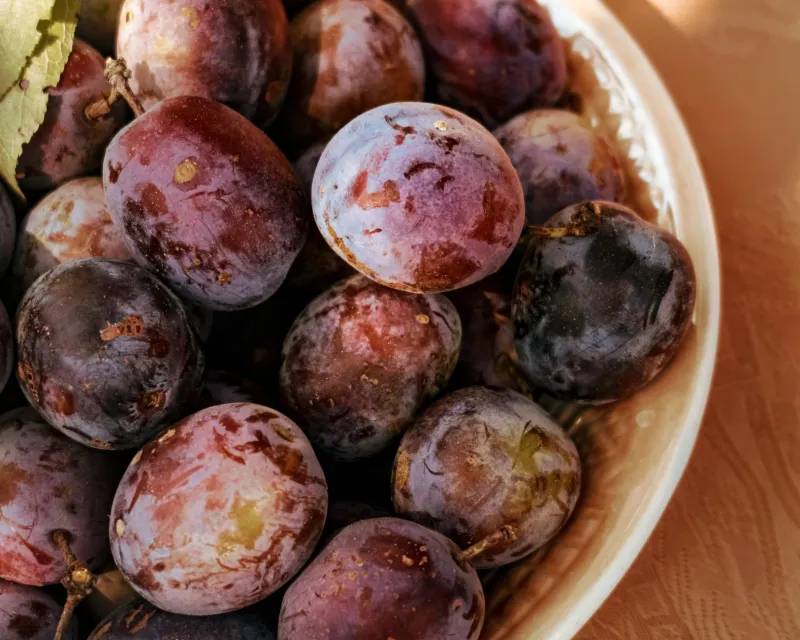
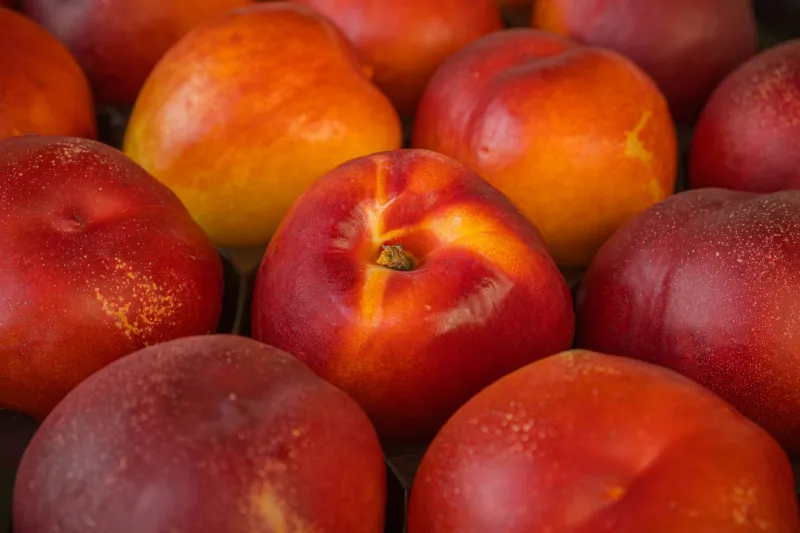
November is not a month for pretending. The peaches at the supermarket are hard enough to skate on, the nectarines smell of nothing much, and the last of the British plum crop is already a sticky memory in the fruit bowl. This is exactly when the tin at the back of the cupboard starts looking less like a compromise and more like good sense.
I know the British reflex. We apologise for tinned fruit. We bring it out with a small shrug, as if it were a relic from a 1970s dinner party. But a good tin of peaches is not a sad substitute for summer. It is summer, picked ripe and sealed while it was still worth eating. In November, that is not cheating. That is strategy.
The tin is not the enemy
Fresh fruit has romance. A peach eaten over the sink, juice running down your wrist, is one of the great small pleasures. But romance is seasonal. A peach in July from a good greengrocer can be extraordinary. A peach in November from a supermarket chiller cabinet is often a small disappointment wrapped in plastic.
Tinned peaches have their own virtues. They are consistent. They are cheap. They are ready when you are. And because they are processed close to harvest, they can taste more like ripe fruit than the fresh ones flown in from the other side of the world. That matters in a British kitchen, where our stone fruit season is short and our cravings are not.
The tin also has a practical advantage: it comes with liquid. That liquid is flavour, not waste. Use it in a fool, a trifle, a rice pudding, a cocktail, or reduce it with a splash of vinegar for a sharp-sweet syrup to spoon over yoghurt. The only real question is what kind of liquid it should be.
Syrup or juice? The only argument worth having
If you want the peach to taste like a peach, start with fruit in juice. Juice-packed peaches are lighter, cleaner and more versatile. They leave you in charge of sweetness. You can add sugar, honey or maple syrup if the recipe needs it, but you are not starting from a sticky baseline. For everyday puddings, breakfast yoghurt and anything with custard, juice is usually my default.
Syrup has its place. A good syrup-packed peach is unashamedly voluptuous. It is the one you want for a brûlée top, for a retro trifle, or for a pudding you are taking to someone else's table. The syrup is part of the pleasure. Just taste it before you add more sugar. Some tins are sweeter than others, and a little acidity - lemon juice, a spoonful of crème fraîche, a grating of orange zest - keeps things from turning cloying.
My rule: buy juice for cooking, syrup for showing off. If you only have one tin, buy juice and add sweetness yourself. You can always make a syrup, but you cannot take sugar out.
Give the tin heat and flavour
The fastest way to make tinned peaches taste like a proper pudding is to treat them as an ingredient, not a ready meal. Heat does something wonderful. It softens the edges, concentrates the flavour and gives you a contrast between warm fruit and cold cream.
Grilled peaches with bay and vanilla
Drain a tin of peach halves, reserving the liquid. Pat the fruit dry. Put them cut-side up in a shallow dish with a split vanilla pod, two bay leaves and a few strips of orange zest. Spoon over a little of the reserved liquid and a knob of butter. Grill until the edges are blistered and the kitchen smells like a warm orchard. Serve with cold cream, yoghurt or vanilla ice cream. The bay is not a gimmick. It adds a savoury, tea-like note that makes the peach taste more itself.
A crackling brûlée top
This is the dinner-party trick that takes four minutes. Drain syrup-packed peach halves and put them cut-side up in a small ovenproof dish. Sprinkle each one with demerara sugar. Grill until the sugar bubbles and darkens, then let it sit for a minute so the top hardens. Add a spoonful of cold crème fraîche or thick yoghurt. The hot, crisp sugar against the cold cream is the whole point. It is a peach brûlée without the faff of custard.
Three fast puddings that beat most fresh fruit in November
Peach and almond crumble
Tip a tin of peaches, drained, into a baking dish with a spoonful of jam and a squeeze of lemon. Rub together 100g plain flour, 50g ground almonds, 50g cold butter and 40g sugar until crumbly. Scatter over the fruit and bake at 190C fan for 25 minutes, until golden. Serve with custard. The almonds make it feel more grown-up than it has any right to.
Peach rice pudding
Cook 100g pudding rice with 600ml whole milk, 50g sugar and a strip of lemon zest very gently for about 40 minutes, stirring now and then. Stir in a drained tin of chopped peaches and a splash of the juice. Warm through. A grating of nutmeg on top. This is nursery food with a suntan.
Peach, ginger and yoghurt fool
Fold drained chopped peaches into 300ml whipped cream or thick yoghurt with a spoonful of stem ginger syrup and a little chopped stem ginger. Crumble in a couple of amaretti or ginger biscuits. Spoon into glasses. It takes ten minutes and looks like you tried.
The cupboard rule
Keep two tins in the cupboard at all times. One juice, one syrup. Not because fresh peaches are bad, but because November is long and a good pudding should not depend on a perfect piece of fruit. The tin is not an apology. It is a pantry staple with a suntan, and it deserves a better spot than the back of the shelf.