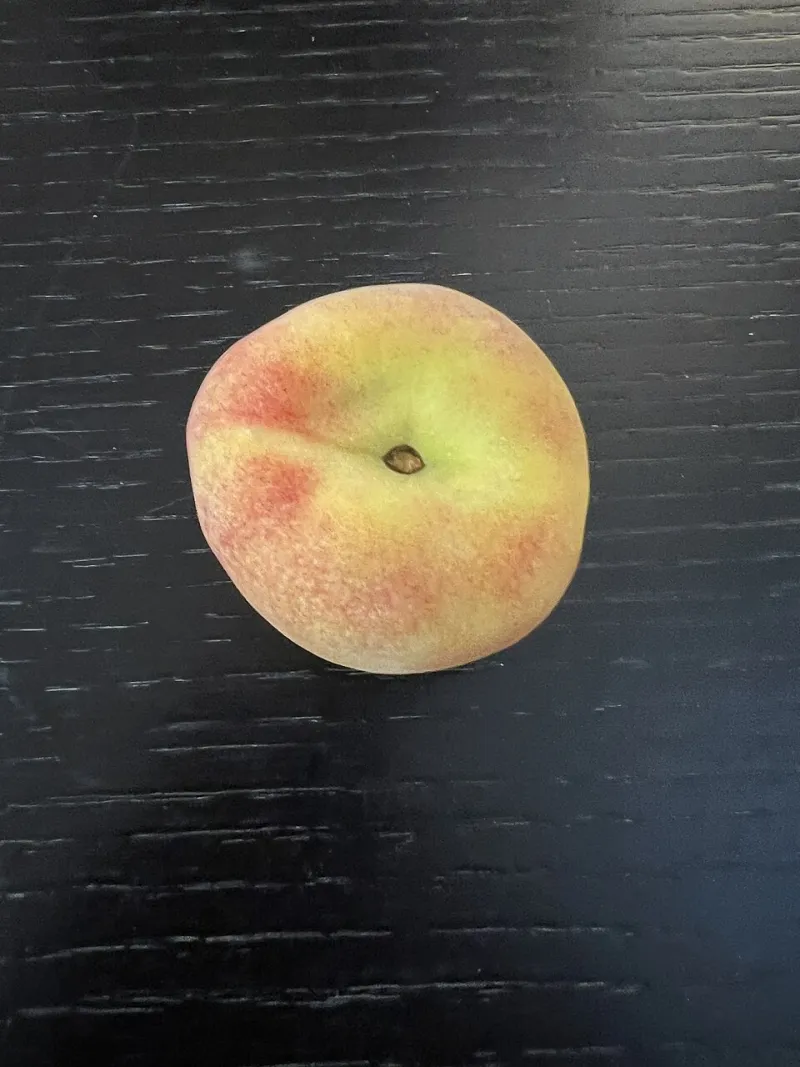
The Golden Underdog: Why Apricots Deserve a Place in the Winter Kitchen
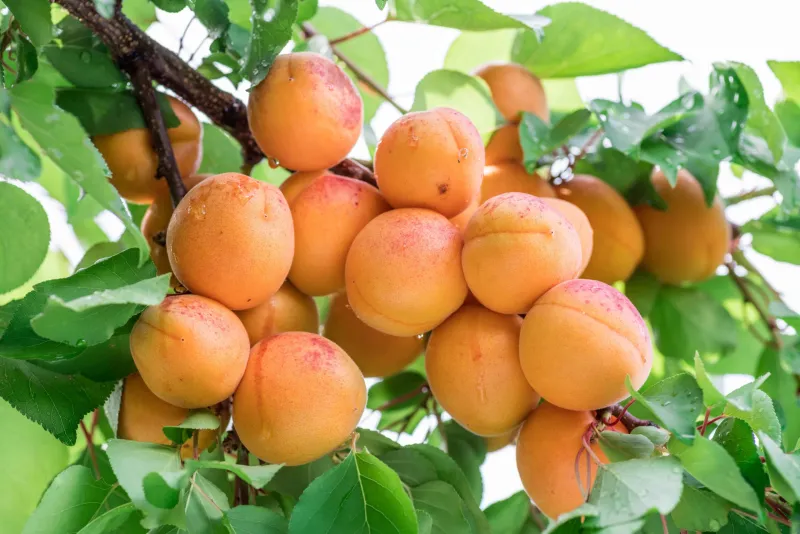
Photo: apricot frangipane tart with flaked almonds on rustic table, via harvesttotable.com
Apricots are the stone fruit equivalent of a good supporting actor. Peaches get the photographs, plums get the crumbles, and apricots get quietly tipped into a trail mix. That is a shame. In a British kitchen in November, apricots are arguably the most useful stone fruit we have: tinned ones are dependable, dried ones are everywhere, and the fresh imports arriving now are better than their reputation suggests. They bring acidity, perfume and a faint almond note that works as happily with lamb as it does with custard. It is time we stopped treating them as lesser peaches.
The quiet fruit with a loud personality
An apricot is not simply a small peach. It has a firmer set, a more pronounced tang and a kernel-like fragrance that peaches only hint at. That perfume is the clue to how it wants to be cooked. Apricots like heat, fat and a little sweetness, but they also like salt and spice. They are not just for puddings. A roasted apricot half, glossy with honey and slightly charred at the edge, can sit next to a roast shoulder of pork or a pile of soft polenta without feeling out of place.
At Clingstone we spend a lot of time arguing about stone fruit, and the apricot is the one that divides the room. Some people remember a disappointing fresh apricot from a supermarket punnet and write the whole fruit off. That is understandable. A pale, hard apricot is a sad thing. But the answer is not to ignore apricots; it is to buy better ones, or to reach for a tin.
How to choose and roast them
Fresh apricots are at their best when they are heavy for their size and smell sweet at the stem. Look for a little give when you press the shoulder, but avoid fruit that is wrinkled or leaking. If they are hard, leave them in a paper bag at room temperature for a day or two. Do not put them in the fridge; cold turns the flesh mealy and mutes the perfume.
Roasting is the most forgiving way to cook them. Heat the oven to 200C. Halve and stone the apricots, lay them cut-side up in a baking dish, dot with butter, drizzle with runny honey and add a pinch of flaky salt. Roast for 12 to 18 minutes, until the edges are bubbling and the fruit has softened but not collapsed. A sprig of thyme or rosemary in the dish does no harm. Serve them warm with yoghurt for breakfast, or alongside roast lamb, pork or duck.
Tinned apricots are not a compromise. They are a different ingredient: softer, sweeter and ready to use. Drain them well for a tart, or keep the syrup to loosen a compote. Dried apricots are the third member of the team. Soak them in hot tea, wine or stock before using them in a tagine or a stuffing, and they will plump up beautifully.
Almond, honey and lamb
Apricot and almond are natural allies. The fruit's kernel-like note echoes the flavour of ground almonds, which is why frangipane is such a happy home for it. Toast flaked almonds and scatter them over a roasted apricot compote, or fold chopped dried apricots into an almond cake. Apricot kernels themselves are not something to cook with casually, but the flavour relationship is worth remembering.
Honey is the second pairing. A dark, assertive honey can overwhelm apricots, so choose something runny and floral. Acacia or a light wildflower honey works well. The third pairing is lamb. Apricots have enough acidity to cut through rich meat, and their sweetness makes sense with cumin, cinnamon and coriander. A slow-cooked shoulder of lamb with dried apricots, onions and a spoonful of harissa is a fine winter dinner. So is a simple traybake of lamb chops with quartered fresh apricots and red onion.
A tart for the winter kitchen
This tart is not a summer fantasy. It is a November tart, made with tinned apricots and a quick frangipane. It is rich enough for a Sunday lunch pudding and simple enough for a cold Tuesday. Serve it just warm, with thick cream or creme fraiche.
Ingredients
- 320g all-butter puff pastry
- 50g soft butter
- 50g caster sugar
- 1 large egg
- 50g ground almonds
- A few drops of almond extract
- 6 tinned apricot halves, drained well
- 1 tbsp runny honey
- A handful of flaked almonds
Method
Heat the oven to 200C. Roll the pastry out to a rectangle about 30cm by 20cm and lay it on a lined baking tray. Score a border about 2cm in from the edge with a sharp knife. Chill while you make the filling.
Beat the butter and sugar until pale, then beat in the egg, ground almonds and almond extract. Spread this mixture over the pastry inside the border. Arrange the apricot halves on top, cut-side up. Drizzle with honey and scatter over the flaked almonds.
Bake for 25 to 30 minutes, until the pastry is golden and the frangipane is set. If the almonds are browning too quickly, cover loosely with foil. Let it cool for ten minutes before slicing.
The amendment
Apricots do not need a campaign. They need a fair hearing. Buy a few fresh ones when they look good, keep a tin in the cupboard and a bag of dried ones in the pantry, and treat them as a savoury ingredient as well as a sweet one. The apricot may be Britain's quietest stone fruit, but it is one of the most useful. That is a case worth making.