A December Seat for the Peach: Spiced Fruit, Roast Duck and a Trifle Worth Reviving
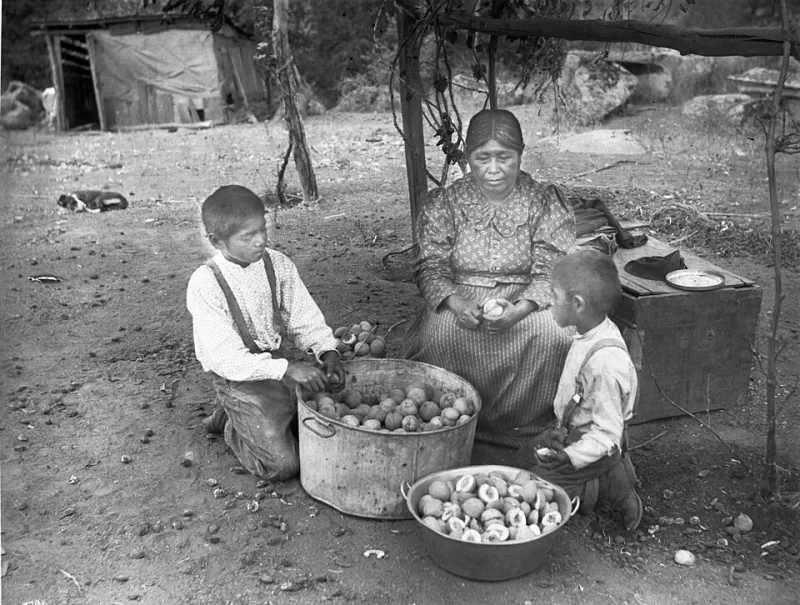
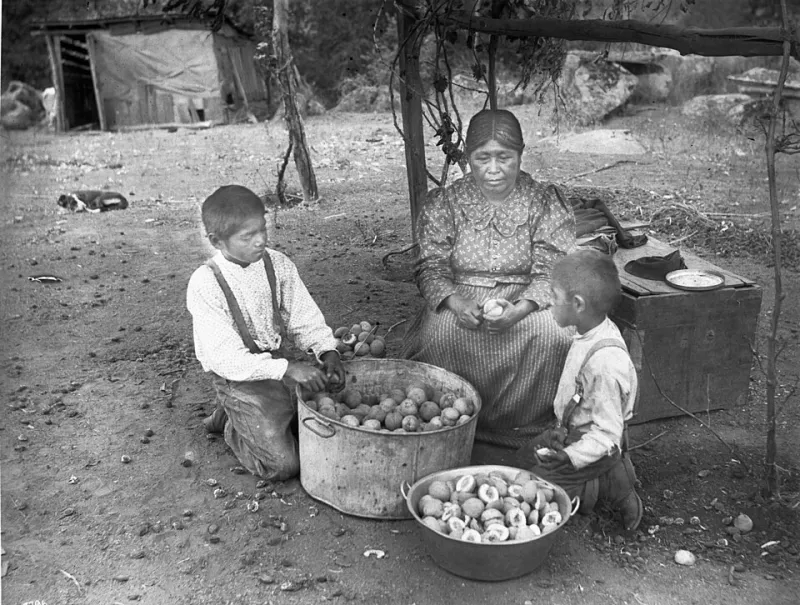
Photo: James, George Wharton, Public domain, via Wikimedia Commons
Christmas pudding has had the last word on the British festive table for centuries, and rightly so. But there is a gap in the December menu that stone fruit fills better than another bowl of cream: the bright, sharp, perfumed note that cuts through butter, suet, roast fat and brandy. By the time Christmas 2026 arrives, the shops will be full of the usual rich things. Peaches are not a denial of the season. They are a way of making the season taste less brown.
This is not an argument for pale, hard imported peaches in January. It is an argument for the tin, the freezer bag and the well-chosen jar. A good tinned peach, packed in juice rather than syrup, is one of the most reliable fruits in the UK kitchen. It has already done the ripening for you. The same goes for frozen peach slices, which are picked and frozen at their best and cost less than a disappointing fresh punnet in the middle of winter.
Why peaches belong on a Christmas table
Festive food is rich by design. Mince pies, roast goose, glazed ham, Christmas cake, brandy butter: the whole menu leans on sugar, spice and fat. That is delicious for about three bites, and then the palate asks for something else. Acid, salt and perfume are what it wants. Peaches bring all three, especially when you treat them as a savoury ingredient rather than a dessert.
There is also a practical argument. Christmas cooking is a logistics exercise. Tinned and frozen peaches are available, consistent and cheap in the week when every other ingredient has doubled in price. They keep in the cupboard. They do not need a ripening drawer. And they hold their shape in a bake, which is more than can be said for a lot of December fruit.
Spiced peaches with mincemeat
This is the easiest way to make the case. Take two 400g tins of peach halves in juice, drain them, and keep the syrup for drinks or the trifle below. Put the peaches in a baking dish with four generous tablespoons of mincemeat, the zest of an orange, a cinnamon stick, two star anise and a splash of port or brandy if you have it. Add a squeeze of lemon and a small pinch of salt. Bake at 180C for 20 to 25 minutes, until the mincemeat has loosened and the peaches are hot through.
Serve with clotted cream, cold vanilla ice cream or thick yoghurt. The point is not to make the peaches taste like Christmas pudding. The point is to let the mincemeat's dried fruit and spice meet the peach's acid. If it tastes too sweet, add lemon. If it tastes flat, add salt. If it tastes too grown-up, add more cream.
Roast duck or ham with plums
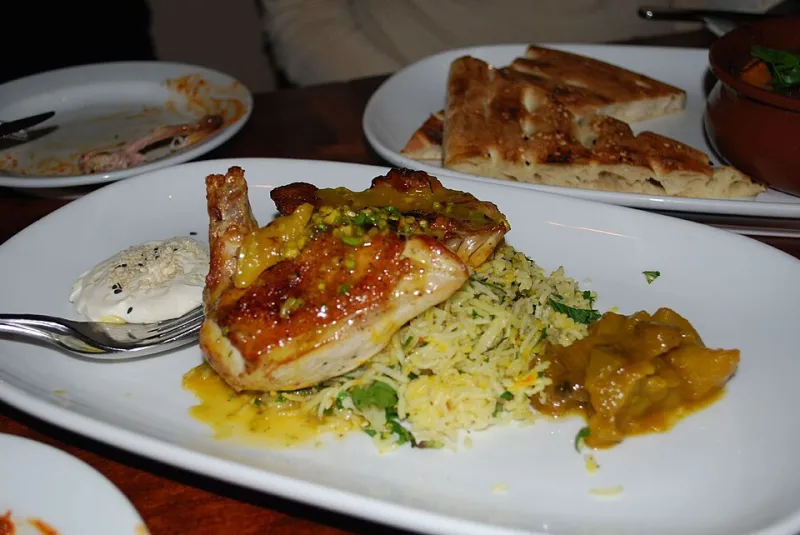
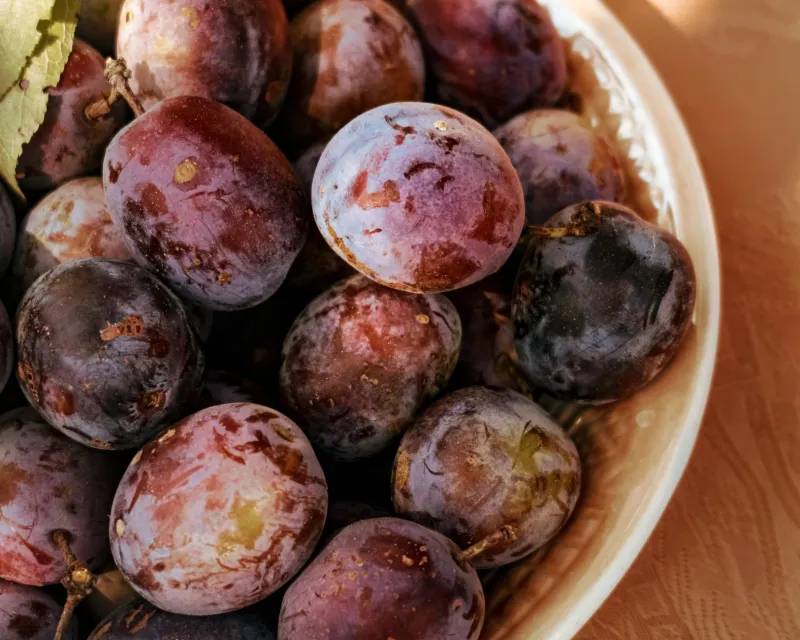
Plums are the stone fruit that already understand December. They have a tannic edge and enough acid to handle fat. For roast duck, make a quick plum sauce: halve and stone 500g of plums, simmer them with two tablespoons of red wine vinegar, two tablespoons of sugar, a thumb of grated ginger and a star anise until collapsed. Blend or leave chunky. Spoon it over the duck for the last 20 minutes of roasting, and serve the rest warm.
For a Christmas ham, mix plum jam with English mustard and a little clove or ginger, then glaze the ham near the end of cooking. The jam gives stickiness; the mustard stops it becoming a sweet lacquer. Either way, the fruit is doing the same job as cranberry sauce: cutting through richness with acid and perfume.
A retro peach trifle
A trifle is the most Clingstone-friendly Christmas dessert there is: layers, make-ahead, no precision. Use a madeira loaf or stale sponge, sprinkle with sherry and a little peach syrup, then layer tinned peach slices, cold custard and softly whipped cream. Scatter toasted flaked almonds on top. If you want to push it further, add a few crushed amaretti or a spoonful of mincemeat between the fruit and custard.
The trick is restraint with the syrup. Tinned peaches are sweet enough; the sherry and the cream need something to push against. Taste the syrup before you use it, and dilute it with lemon juice if it is heavy. Make the trifle in the morning, keep it cold, and add the cream just before serving.
Sourcing and balance notes
Buy peaches tinned in juice, not syrup, when you can. Check the drained weight rather than the tin size. Frozen peach slices are excellent for baking and compote, though they will not hold a neat half shape. Fresh imported peaches in December can be fine, but only if they smell of something; if they are hard and silent, leave them.
Balance is the whole game. Festive richness needs acid, salt and a little bitterness. Lemon juice, vinegar, orange zest, a pinch of salt and a splash of spirit will do more for a December peach than another spoon of sugar. And if you are serving the trifle to anyone who is pregnant, elderly or unwell, follow the usual food-safety rules for custard and cream: keep it cold, do not leave it out, and do not keep leftovers for days.
Christmas does not need to be a peach festival. But a dish of spiced peaches beside the ham, a plum glaze on the duck, a trifle with a golden layer of fruit: these are not novelty acts. They are the bright note the table has been missing.