Panes of Sunshine: Britain's Long Love Affair with the Forced Peach
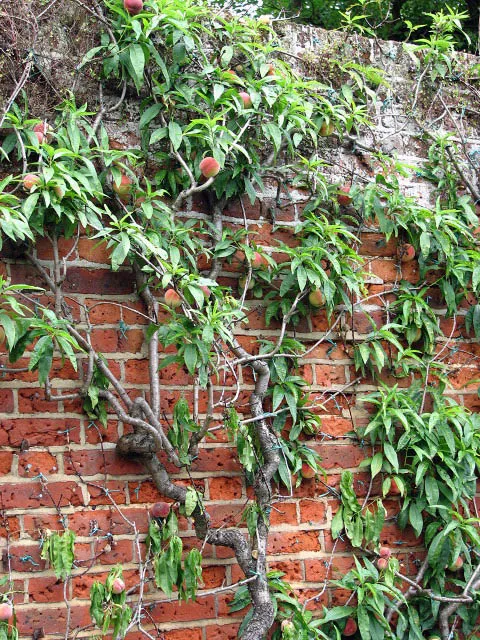
Photo: Evelyn Simak, CC BY-SA 2.0, via Wikimedia Commons
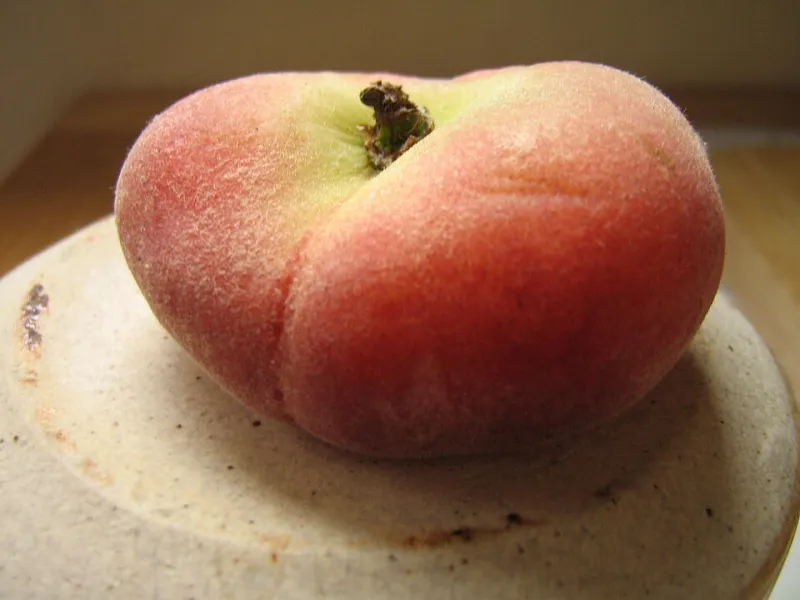
There is a certain kind of peach that turns up in November. It is pale, expensive and faintly defiant, as if it knows it has no business being here. It did not come from a Kentish orchard or a sun-warmed wall. It came from under glass, or from a polytunnel doing its best impression of one. And while we might tut about food miles and the sanctity of the British season, the truth is that the forced peach is not a modern aberration. It is a very old British habit.
A Fruit That Needed a Roof
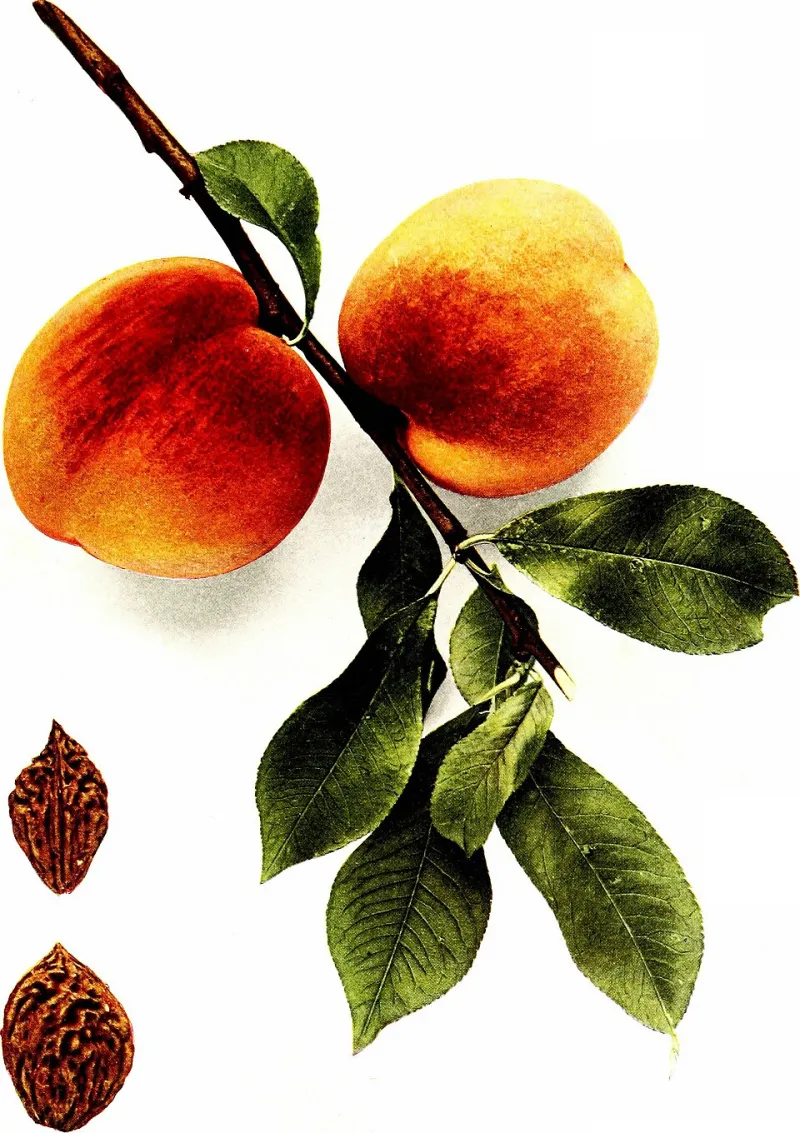
Peaches are not native to these islands. They came west along trade routes, picked up a Roman fan club, and by the Tudor period were being grown against sunny walls in the gardens of the wealthy. The wall was the first technology: brick or stone, sometimes flued with little fireplaces behind it, storing heat and throwing it back at the fruit. A south-facing wall in Worcestershire could, with enough patience and dung, pretend to be Provence for a few weeks.
But walls were only the beginning. The real leap came with glass. By the seventeenth and eighteenth centuries, British gardeners were building peach houses, orang-eries and pineapple pits, engineering microclimates with the kind of obsessive energy we now reserve for sourdough. The Victorian glasshouse was the apex of this: a cathedral of panes, heated by hot-water pipes or fermenting tan bark, where gardeners could push the season in either direction. A peach in June was impressive. A peach in November was a statement.
The Wall, the Panes and the Pineapple Fantasy
It is easy to mock the Victorian hothouse as a folly. But the gardeners who ran it were not fools. They were working with a simple, rigorous idea: that seasonality is not a fixed calendar but a set of conditions. If you can control warmth, light and moisture, you can stretch the window. The pineapple was the headline act, but peaches, nectarines, grapes and figs all had their place under the glass.
At Chatsworth, Hampton Court and the great estate gardens, peach houses were run with military precision. Varieties were chosen for flavour and reliability, not just looks. Fruit was trained flat against the glass on fan shapes or long cordons, pruned hard, and hand-pollinated with a soft brush when the weather refused to cooperate. The goal was not year-round peaches for the masses. It was a handful of perfect fruit for the table, timed to impress.
That is worth remembering when we talk about seasonality now. The Victorians were not ignoring the season. They were extending it, deliberately, with craft and heat and a great deal of muck. The hothouse peach was an achievement, not an accident.
What the Gardeners Actually Knew
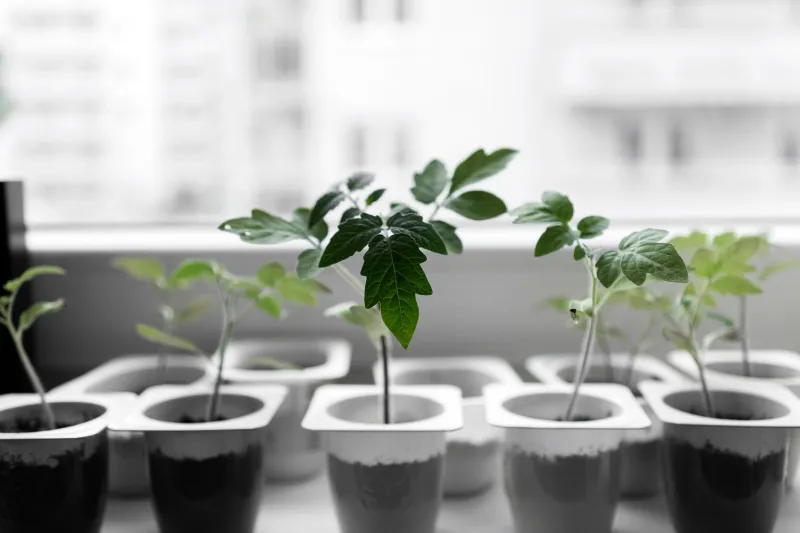
Strip away the romance and the practical lessons are still useful. First, warmth at the roots matters as much as warmth in the air. Victorian gardeners used dung beds and hot-water pipes to keep the soil ticking over; today a sunny spot and a cloche do a similar job on a smaller scale. Second, ventilation is everything. A peach house that steamed up turned mouldy fast. The best gardeners kept the air moving, even in winter.
Third, timing is a skill. Forcing was not about making fruit appear on demand; it was about nudging a plant through its stages with as little shock as possible. The same applies to the late-season peaches we buy now. A hard, pale November peach needs gentle heat and time, not a blast in the oven. Leave it somewhere warm for a day or two, then use it.
Finally, the old gardeners were not precious about varieties. They grew what worked under their conditions, then cooked it accordingly. That is a good rule for the modern kitchen, too.
The Kentish Orchard and the Honest Peach
Britain still grows peaches, though not usually under grand glass. Kent, Sussex and parts of the West Country have small orchards and polytunnels, and there is a quiet revival of British stone fruit led by growers who are experimenting with hardier varieties and better protection. The Kentish peach in August is a genuine joy: soft, fragrant and nothing like the imported bricks of winter.
But the late-season peach is a different pleasure. It is not a July peach, and it should not be treated as one. If you buy one in November, buy it with intention. Let it ripen on the counter, away from the fridge. Then cook it in a way that leans into its slightly firmer texture and gentler sweetness.
Cooking the Glasshouse Peach
My favourite November treatment is a roast peach with bay and honey, served with something cold and sharp. Halve the fruit, leave the stones in for flavour, and sit the halves cut-side up in a baking dish. Add a few bay leaves, a spoonful of honey, a splash of cider brandy or apple juice, and a little butter. Roast at 180C for about twenty minutes, until the edges slump and the juices pool. Serve with cold cream, thick yoghurt or a slice of toasted sourdough spread with goat's curd. A pinch of flaky salt at the end is not optional.
If you want something savoury, slice a ripe late peach into a salad with chicory, blue cheese, toasted hazelnuts and a sharp cider vinegar dressing. The sweetness of the fruit and the bitterness of the leaves do the same job as the hothouse did: they make a grey day feel deliberate.
The Point of the Pane
The hothouse peach is a reminder that seasonality is not a purity test. It is a conversation between climate, craft and appetite. The Victorian gardeners knew that a peach in November was a small miracle of engineering, and they treated it as such. We can do the same, without the pineapple pit. Buy the late peach, give it a little warmth, and cook it with the care it deserves. A pane of sunshine is still sunshine, even in November.